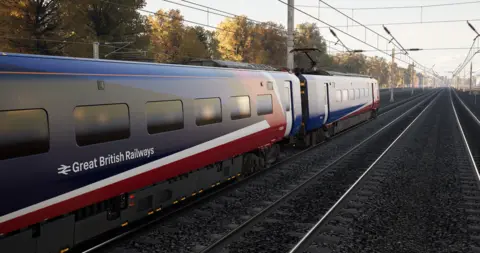

The Transport Department has unveiled the visual identity for the new national rail body, marking a significant advance in its strategy to bring the railways back into state hands.


A Patriotic Colour Scheme and Iconic Logo
The updated design uses a red, white and blue palette to mirror the national flag and will be applied on GBR trains, at stations, and across its digital platforms.
Notably, the logo is the iconic twin-arrow logo historically used by National Rail and previously introduced in the mid-20th century for the former state operator.

The Implementation Plan
The rollout of the branding, which was created in-house, is expected to happen in phases.
Commuters are set to begin seeing the newly-branded services across the national network from the coming spring.
In the month of December, the branding will be showcased at key stations, including Birmingham New Street.
A Path to Public Ownership
The proposed law, which will allow the creation of GBR, is currently making its way through the legislative process.
The government has said it is renationalising the railways so the system is "owned by the public, operating for the people, not for profit."
GBR will bring the running of passenger trains and infrastructure under a single organisation.
The department has said it will unify seventeen separate bodies and "reduce the frustrating administrative hurdles and accountability gap that continues to plague the railways."
App-Based Features and Existing Public Control
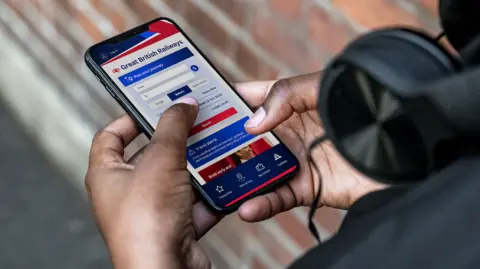
The launch of Great British Railways will also feature a dedicated mobile application, which will let customers to view timetables and reserve tickets absent booking fees.
Disabled users will also be able to use the application to arrange help.
A number of operators had previously been taken into public control under the outgoing government, such as Southeastern.
There are now seven operating companies now in public control, representing about a one-third of journeys.
In the last twelve months, South Western Railway have been brought into public ownership, with more anticipated to follow in 2026.
Official and Sector Response
"The new design is more than a cosmetic change," said the Transport Secretary. It represents "a new railway, casting off the issues of the previous system and focused completely on providing a reliable passenger-focused service."
Industry figures have responded positively to the government's commitment to improving the passenger experience.
"We will carry on to collaborate with industry partners to ensure a successful transition to the new system," one executive added.